If you want to teach your kids a lesson,10 lines Short Stories with Moral are the best way to teach important life lessons in a way that sounds more interesting and relevant. The moral lessons of these stories help shape their character and moral compass as they grow up.
These stories are a treasure trove of knowledge, wisdom and entertainment. They help you become more conscious of your actions and shape your moral compass. These stories promote character development and encourage readers to become better people. So, here are some popular 10-line short stories with morals that you can learn more about in your life.
10 Lines Short Stories with Moral in English With Pictures
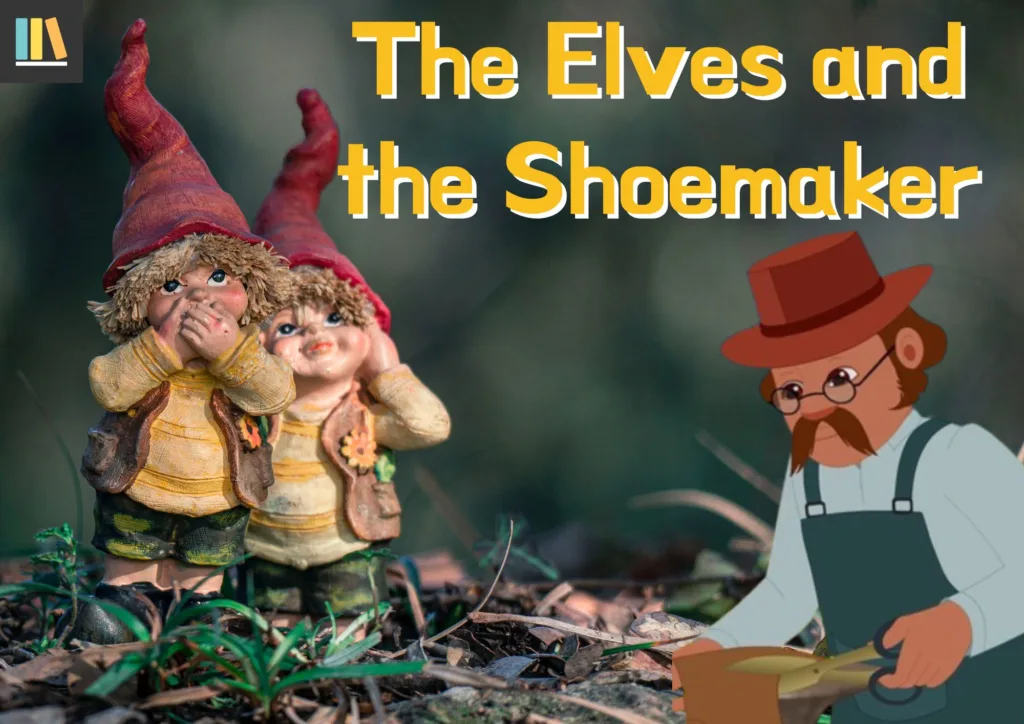
The Elves and the Shoemaker
Once upon a time, there was a kind cobbler named Mr. Cobbler. He was very poor. Despite being skilled in his art, he had to struggle to make ends meet.
One cold night, he slept leaving a pile of unfinished shoes at his workplace. The next morning he woke up to find all the shoes ready, he was amazed! Who could have made these amazing shoes?
Curious to know who was helping them, he decided to secretly monitor the shop. As the clock struck midnight, two small, happy creatures came in. He worked quickly and efficiently.
The cobbler was filled with gratitude. They wanted to thank the elves! Grateful for their help, Mr. Shoemaker made miniature shoes for them. After that magical night, the elves did not return, but Mr. and Mrs. Shoemaker never forgot their kindness. His shop continued to operate, and he lived happily ever after, always remembering to help others as he had been helped.
The moral of the story: Kindness is the greatest wealth.
The Fisherman and His Wife
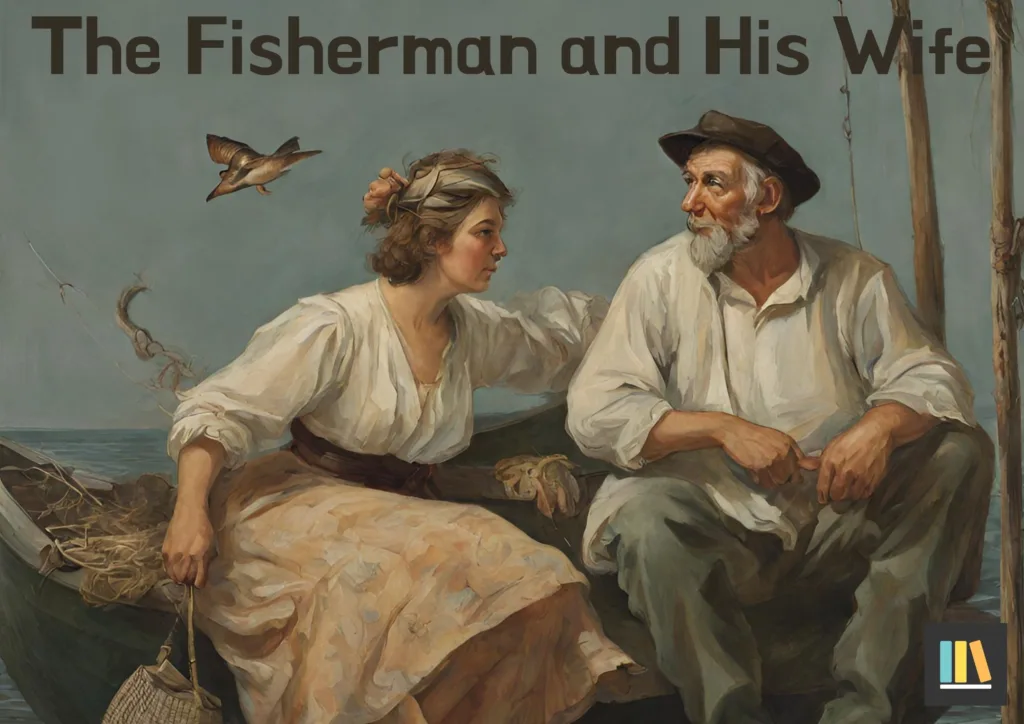
Once upon a time, in a seaside village, a humble fisherman named Jack lived happily with his loving wife, Mary.
One day, Jack caught a magic fish. The fish told him that she would fulfil any of his wishes if he freed her.
Jack asked the fish to build a comfortable hut on the beach where they could live comfortably for the rest of their days.
The fish fulfilled his wish. Jack and Mary were very happy.
Every day Mary would urge Jack to meet the magic fish and ask for more wealth and power. Whenever she made a wish, the fish obeyed without question and fulfilled Mary’s every wish.
Mary’s greed became even more intense. Hoping to satisfy his wife’s insatiable desires, Jack continues his search for the fish.
But soon he realizes that true happiness cannot be bought with material wealth.
Jack asked the magical fish to return to that simple life surrounded by love and contentment.
The fish granted their wish and abandoned Jack and Mary on the shore of their beloved seaside village.
Moral: Greed only leads to dissatisfaction and emptiness, while true satisfaction comes from appreciating the beauty of what we already have.
The Dog and the Bone
Once upon a time, there was a dog who roamed the streets day and night in search of food. One day, he found a big juicy bone, and he immediately put it in his mouth and took it home. While going home he crossed a river and saw his reflection in the water. He thought there was another dog with a bone in his mouth. He started barking after seeing this but as soon as he opened his mouth, the bone he was cutting fell into the river. That night he went home hungry.
Moral: What we have is enough. we should not be jealous of others, we will lose all that we already have.

Lazy Ant
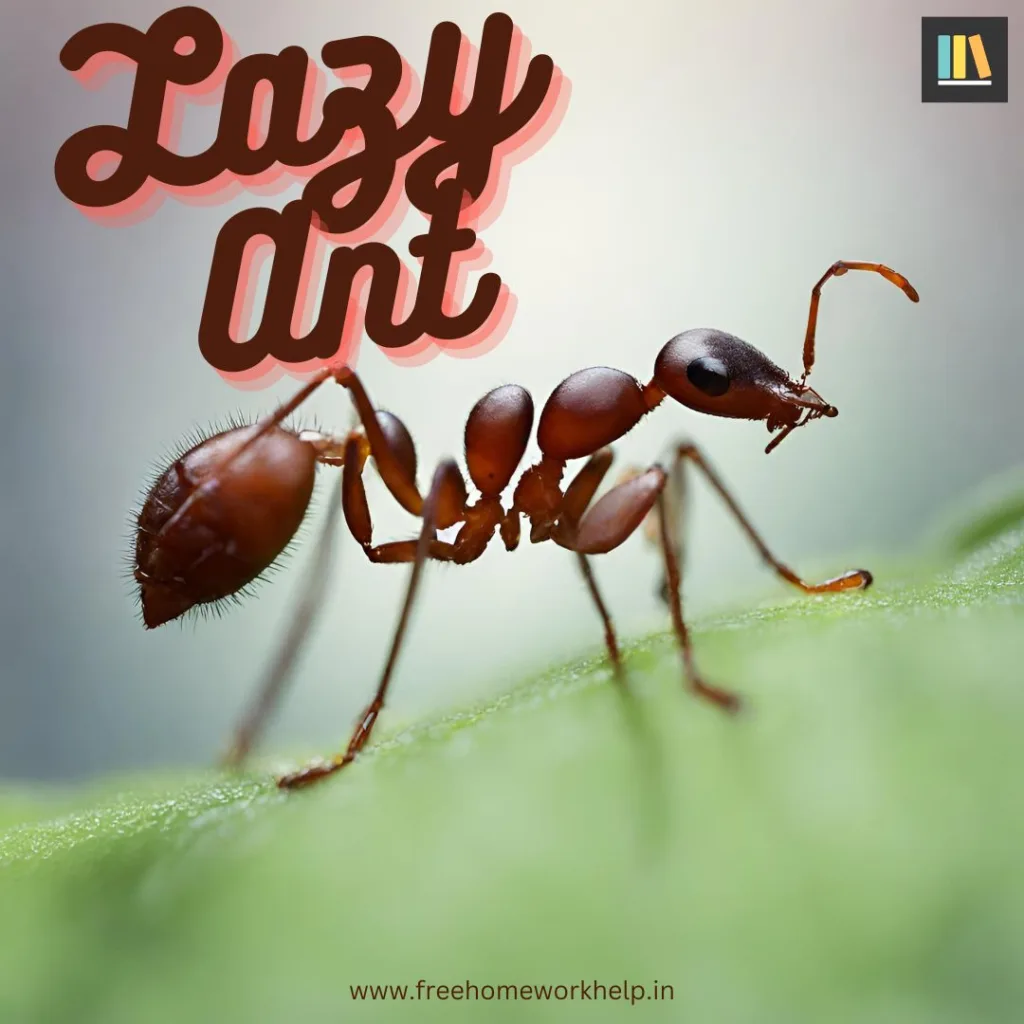
- Once upon a time, there lived a community of hardworking ants in the forest.
- Among these ants, there was also a young worker named Avery. She was very lazy and moved around.
- Her fellow ants worked very hard.
- They urged Avery to change his ways and contribute to the community.
- But Avery ignored them and said there was plenty of time to work later.
- Unfortunately, one day, due to heavy rains, the surroundings flooded, threatening to drown everything in its path.
- Other ants were struggling to save their precious resources.
- While Avery remained passive, believing someone else would solve the problem.
- But as the waters rose higher and higher, Avery found himself trapped and unable to escape the flood. Avery became horrified. She appealed to her fellow ants for help.
- They united and managed to save him from the rising waters. Avery learned a valuable lesson about the dangers of laziness.
Moral: Laziness can’t take you anywhere. If you want something, you have to work hard for it.
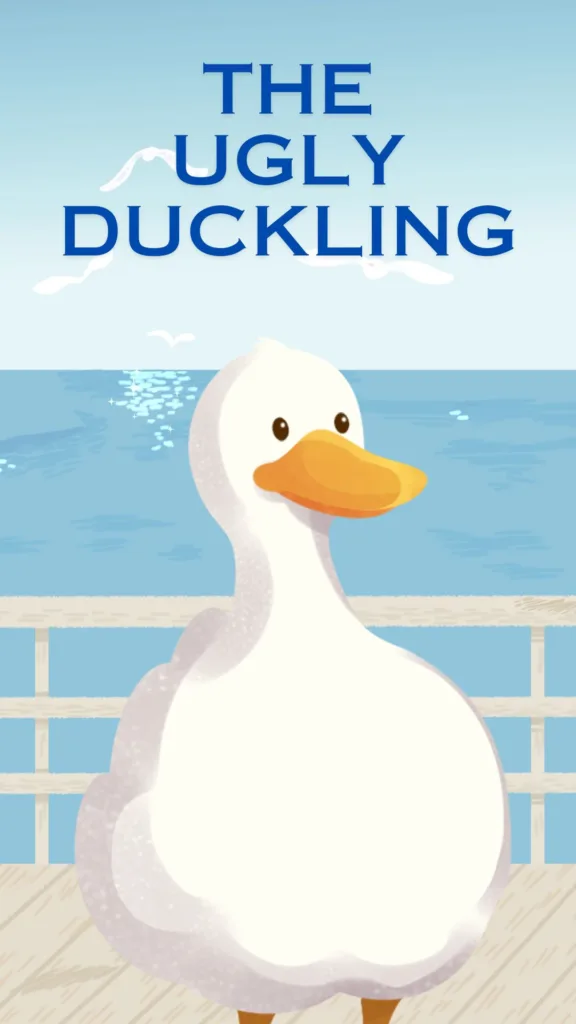
The Ugly Duckling
Once, a farmer laid four eggs together, and after a few days, all of them hatched. While three of the ducks that came out looked exactly alike, the fourth was larger and plain brown. This duckling felt different from his siblings and was often bullied.
All other ducks called him ugly, the duckling could not bear it any longer and ran away into a nearby river. There he met a family of beautiful swans. Seeing the young swans, the duck realized that it was not a duckling, but a swan. He understood that soon he would become a beautiful swan and would no longer be called ugly.
Moral: one should never judge someone based on their looks alone. Beauty lies in our personality, and everyone has their unique charm.
10 Lines Short Stories With Moral in Hindi
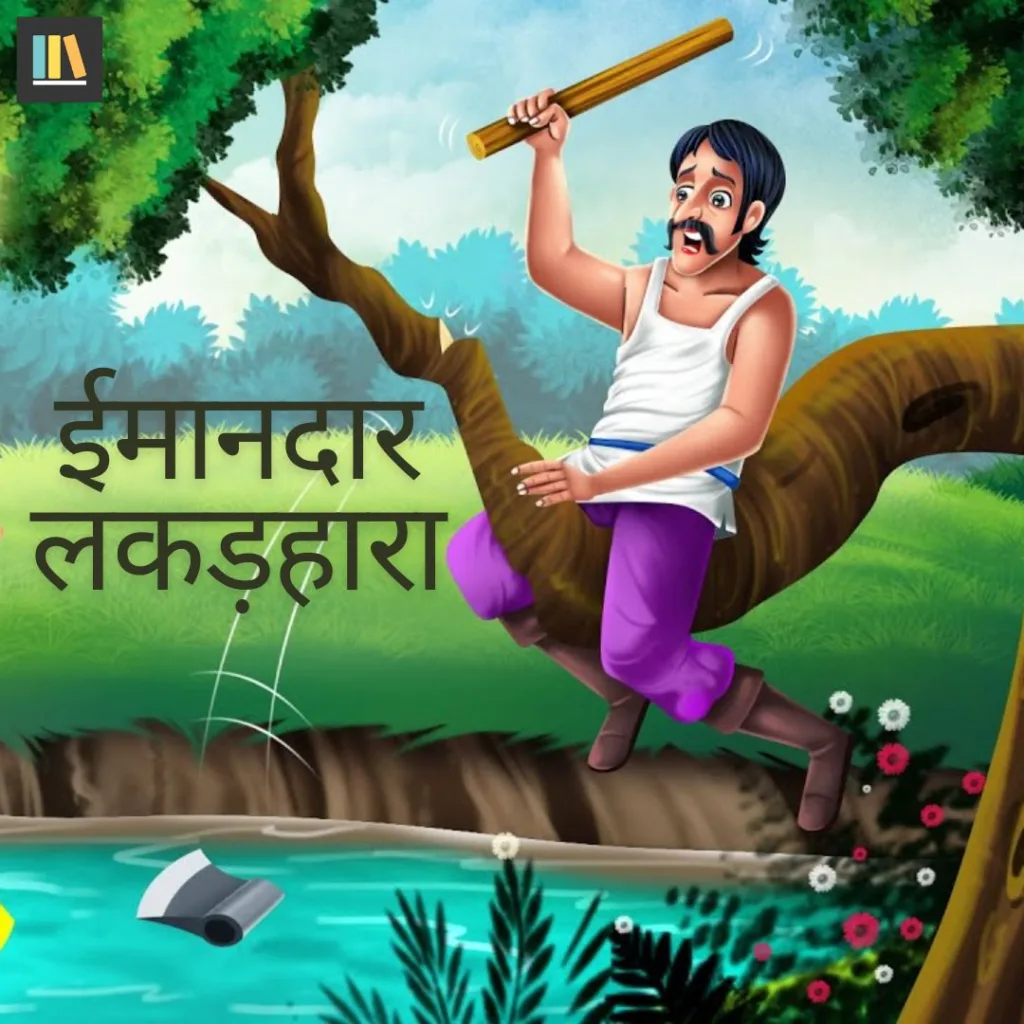
ईमानदार लकड़हारा
- एक दिन एक लकड़हारा नदी किनारे एक पेड़ काट रहा था और अचानक उसकी कुल्हाड़ी नदी में गिर गयी।
- उसे बहुत दुःख हुआ और रोने लगा।
- नदी देवता ने उसकी बात सुनी और मदद की पेशकश की।
- भगवान ने उसे एक सोने की कुल्हाड़ी दी, लेकिन लकड़हारे ने कहा कि यह उसकी नहीं है।
- भगवान ने उसे एक चांदी की कुल्हाड़ी दी, लेकिन लकड़हारे ने फिर से इनकार कर दिया।
- भगवान ने उसे एक लोहे की कुल्हाड़ी दी, जो उसकी थी।
- लकड़हारे की ईमानदारी से देवता बहुत प्रसन्न हुए।
- परमेश्वर ने उसे सोने और चाँदी की कुल्हाड़ियाँ भी दीं।
- लकड़हारा बहुत खुश हुआ।
- उसने कुल्हाड़ियाँ लीं और अपने घर वापस चला गया।
नैतिक शिक्षा: हमें हमेशा ईमानदार रहना चाहिए. ईमानदारी से हम हमेशा सफल होते हैं।
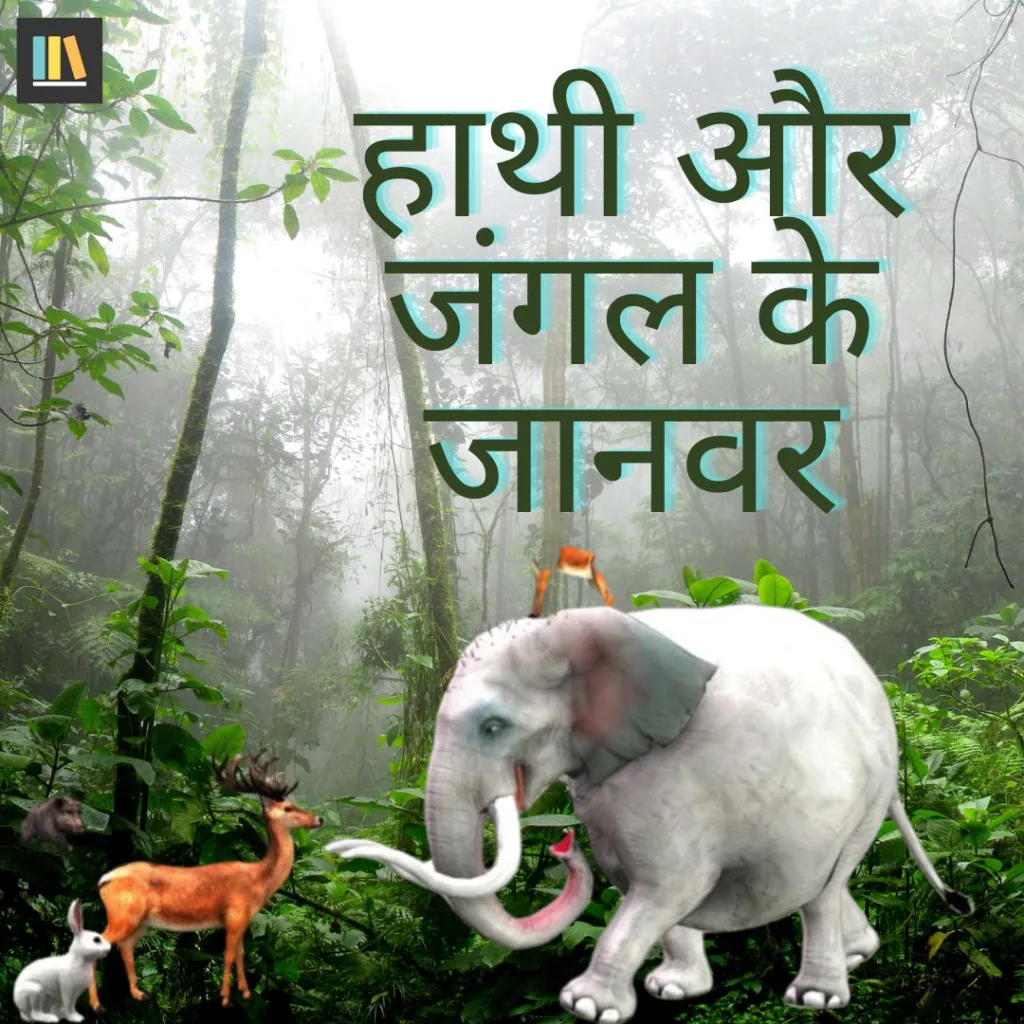
हाथी और जंगल के जानवर
- एक अकेला हाथी एक नए जंगल में आता है।
- वह अकेले रहकर दुखी है और नए दोस्त बनाना चाहता है।
- कभी वह खरगोश के पास जाता है, कभी चूहे के पास और कभी बंदर के पास।
- वह दोस्त बनाने की कोशिश करता है।
- उसके बड़े आकार के कारण सभी जानवर उसके दोस्त बनने से इंकार कर देते हैं।
- एक दिन जंगल का शेर शिकार पर निकलता है और सभी जानवरों को डरा देता है।
- सभी जानवर डर के मारे इधर-उधर भागने लगते हैं।
- हाथी शेर को रोकने के लिए आगे आता है और उसे धक्का दे देता है.
- शेर भाग जाता है और सभी जानवर हाथी को धन्यवाद देते हैं.
- हाथी अब सभी जानवरों का दोस्त बन गया है.
नैतिक शिक्षा: दूसरों की मदद करना हमेशा अच्छा होता है।
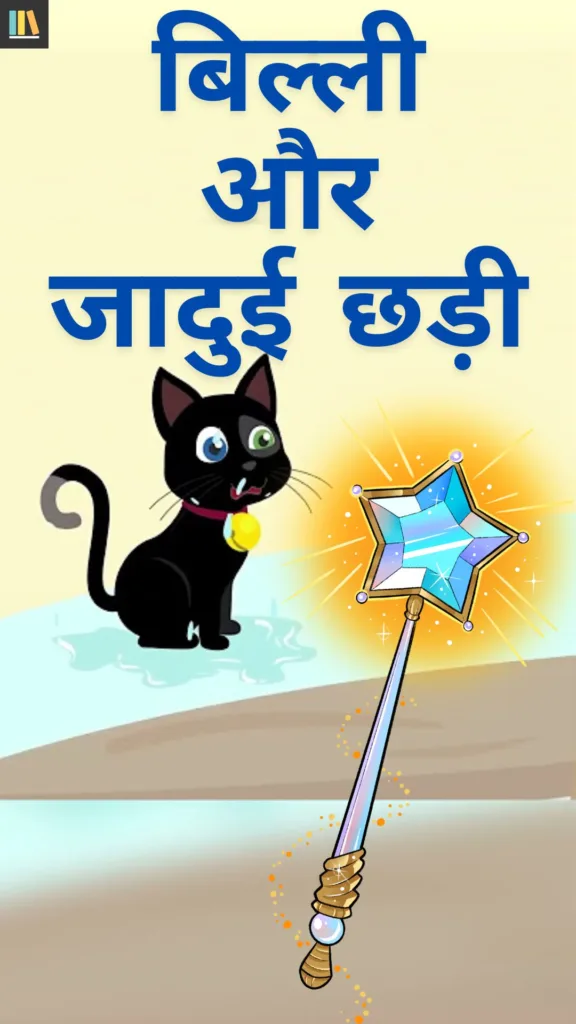
बिल्ली और जादुई छड़ी
- एक बार, एक जंगल में एक बिल्ली रहती थी। वह बहुत चंचल और शरारती थी।
- एक दिन, उसे जंगल में घूमते हुए एक जादुई छड़ी मिली।
- बिल्ली ने जैसे ही छड़ी को घुमाया। तभी, एक परी प्रकट हुई।
- परी ने बिल्ली से कहा, “तुम्हें एक इच्छा पूरी करने का मौका मिलेगा।”
- बिल्ली ने सोचा और कहा, “मैं दुनिया की सबसे शक्तिशाली बिल्ली बनना चाहती हूँ।”
- परी ने मुस्कुराते हुए कहा, “तुम्हारी इच्छा पूरी हो गई है।”
- बिल्ली बहुत खुश हुई। अब वह उड़ सकती थी, अदृश्य हो सकती थी अब बिल्लीअपनी शक्तियों का इस्तेमाल करके जंगल में सभी जानवरों को डराने लगी
- एक दिन, जंगल में एक शेर आया। उसने बिल्ली से कहा, “तुम्हारे पास शक्तियां हैं, लेकिन तुम्हारे पास दया नहीं है।”
- बिल्ली शेर की बात सुनकर शर्मिंदा हो गई।
- उसने अपनी गलती महसूस की और अपनी शक्तियों का इस्तेमाल करके जंगल में सभी जानवरों की मदद करने लगी।
नैतिक शिक्षा: हमें अपनी शक्तियों का इस्तेमाल दूसरों की मदद करने के लिए करना चाहिए।
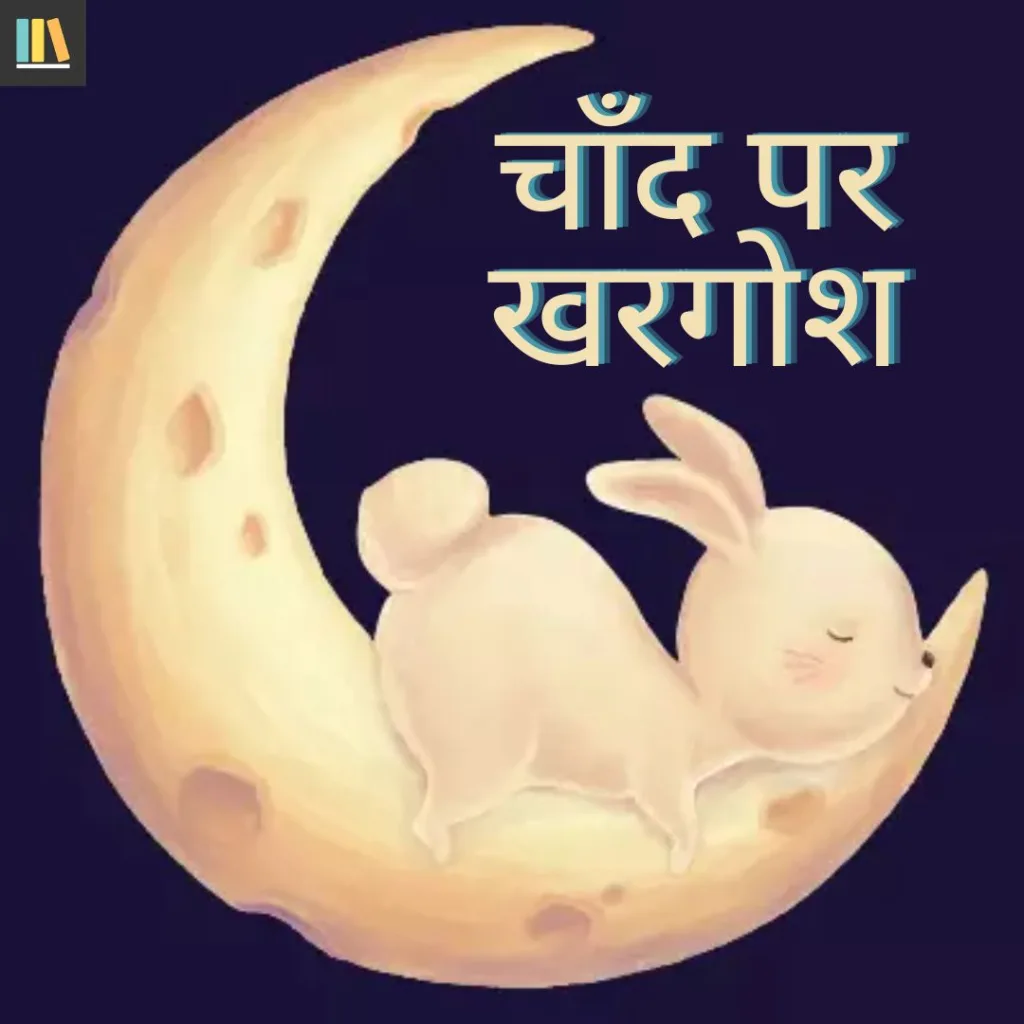
चाँद पर खरगोश
एक जंगल में चार दोस्त रहते थे, खरगोश, सियार, बंदर और ऊदबिलाव। ये सभी दानवीर बनना चाहते थे एक दिन चारों ने एक साथ फैसला लिया कि वो कुछ-न-कुछ ऐसा ढूंढकर लाएंगे, जिसे वो दान कर सकें। चारों मित्र अपने-अपने घर से निकल गए।
ऊदबिलाव गंगा तट से लाल रंग की सात मछलियां लेकर आ गया। सियार दही से भरी हांडी और मांस का टुकड़ा लेकर आया। बंदर आम के गुच्छे लेकर आया।लेकिन खरगोश को कुछ नहीं मिला वह खाली हाथ वापस चला गया।
खरगोश को खाली हाथ लौटते देख उससे तीनों मित्रों ने पूछा, “अरें! तुम क्या दान करोगे? खरगोश ने कहा, आज मैंने खुद को दान करने का फैसला लिया है।” यह सुनकर खरगोश के सारे दोस्त हैरान हो गए। जैसे ही इस बात की खबर इंद्र देवता तक पहुंची, तो वह साधु का भेष बनाकर चारों मित्रों के पास पहुंचे। पहले सियार, बंदर और ऊदबिलाव ने दान दिया। फिर खरगोश के पास इंद्र देवता पहुंचे और कहा तुम क्या दान दोगे। खरगोश ने बताया कि वो खुद को दान कर रहा है। इतना सुनते ही इंद्र देव ने वहां अपनी शक्ति से आग जलाई और खरगोश को उसके अंदर समाने के लिए कहा।
खरगोश आग के अंदर घुस गया। इंद्र यह देखकर हैरान रह गए। तब इंद्र देव ने कहा, “मैं तुम्हारी परीक्षा ले रहा था। यह आग मायावी है
इतना कहने के बाद इंद्र देव ने खरगोश को आशीर्वाद देते हुए कहा, “तुम्हारे इस दान को पूरी दुनिया हमेशा याद करेगी। मैं तुम्हारे शरीर का निशान चाँद पर बनाऊंगा।” इतना कहते ही इंद्र देव ने चाँद में खरगोश का निशान बना दिया।
नैतिक शिक्षा: किसी भी काम को करने के लिए दृढ़ शक्ति का होना जरूरी है।
Read Also: Discover 5 Inspirational Stories of Hope That Inspire
FAQ
What is a story that teaches a moral lesson called?
A story that teaches a moral lesson is called a fable.
Why are moral Short Stories important?
Moral stories are important as they encourage creativity and imagination, and develop positive values and attitudes.
Conclusion
We hope that the above 10 Lines Short Stories With Moral will help to teach children the importance of hope and courage in life. 10 Lines Short Stories With Moral entertain and inspire creativity, teaching valuable life lessons in children as well as adults.
Dear Mam.
One year went so far . नई टीचर भी आ गई, पर आप जैसा कोई नहीं है।
Everyone remember you here in school with all that love and respect. May you achieve better and better in life.
Hame kabhi bhul mat Jana.
Thank you for your appreciation and respect. ☺️